
Meows and mischief: why do cats knock things off tables?

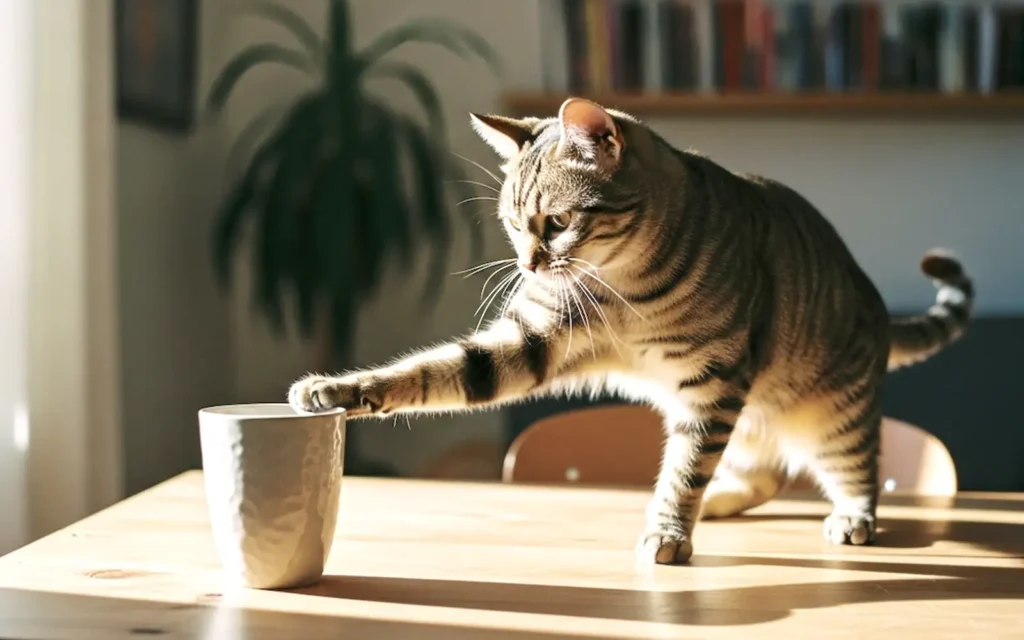

PETALING JAYA: Does this sound familiar? Your cat is staring at a pen or cup near the edge of the table. There’s a pause. A slow, deliberate paw stretch. Then – bap! Down it goes!
It may look like mischief, or even mild spite. But experts say there are perfectly reasonable feline explanations behind this classic behaviour.
According to BBC Science Focus, cats knocking objects off surfaces is likely linked to instinct: even well-fed domestic cats retain the hunting drive of their wild ancestors.
In the wild, a cautious paw tap helps test potential prey – does it move, is it alive, is it worth pursuing? That same investigative swipe is now applied to your keys, glasses or TV remote.
Cats are, after all, predators designed to respond to movement. When an object wobbles and falls, it creates visual and auditory stimulation. The motion triggers their chase instinct, while the sound and unpredictability keep their brains engaged.
In other words, what looks like sabotage may actually be enrichment.
Touch also plays an important role: cats use their paws almost like hands, gathering information about texture, weight and movement.
Some experts note that our feline friends’ close-up vision is not especially sharp, so tactile exploration helps them “understand” objects in their environment. A gentle nudge therefore becomes a mini science experiment.
There’s another factor at play – human reaction. Cats are highly attuned to cause and effect. When they knock something over, it almost always produces a response.
You gasp, you say their name, you rush over. From the cat’s perspective, even negative attention is still attention.
Boredom can amplify the habit: indoor cats, in particular, need mental stimulation to satisfy their natural curiosity and predatory instincts. Without regular play, climbing opportunities and interactive toys, everyday household items become substitutes.
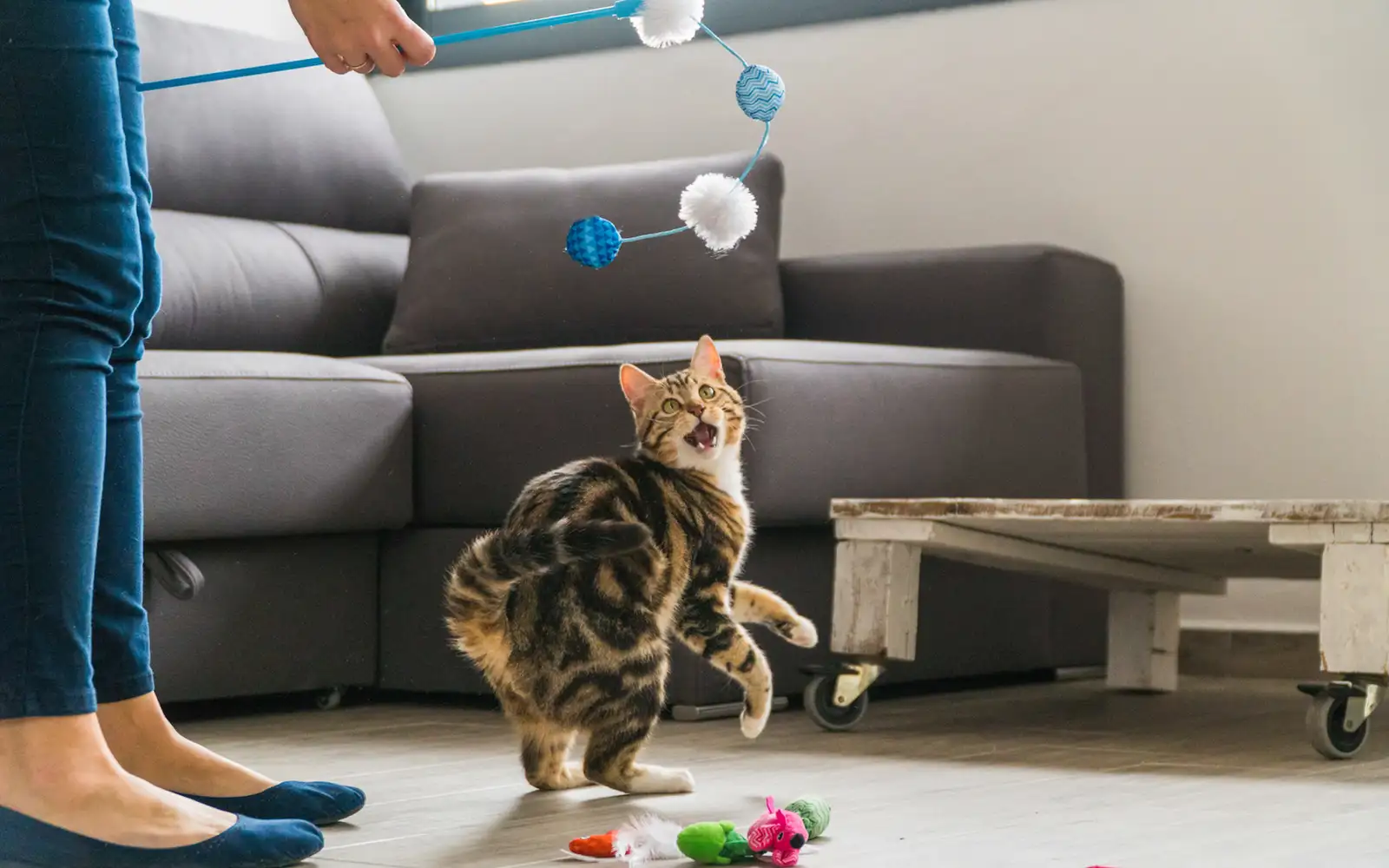
So, how can owners reduce the tabletop casualties? Veterinarians and behaviourists recommend increasing daily interactive play, especially games that mimic hunting, such as wand toys and chase sessions.
Puzzle feeders and climbing structures can also help channel that investigative energy elsewhere. And of course, moving fragile items away from edges is a practical short-term solution.
The good news is that this behaviour isn’t a sign of a “bad” cat. It’s a glimpse into how their brains are wired: curious, instinct-driven, and endlessly exploratory.
So the next time your cat locks eyes with an object at the edge of the table, go ahead and move it out of harm’s way, secure in the knowledge that it’s not personal.