When ‘sharenting’ puts children at risk


KUALA LUMPUR: Seven years before she ever imagined deleting them, Harsha (not her real name) created Instagram and TikTok accounts to document every milestone in her daughter’s life.
Like many first-time parents, she and her husband simply wanted a digital scrapbook – a place to celebrate first smiles, first steps, and birthdays with family and friends. Some posts attracted hundreds of thousands, even millions, of views.
“I always thought that one day, when my daughter was old enough to understand social media, I’d hand the accounts over to her,” Harsha told Bernama.
Instead, she shut them down.
Two months ago, Harsha discovered someone had created a fake social media account using her daughter’s photographs, reposting them alongside disturbing and offensive captions.
“I had to lodge a police report because someone had misused my daughter’s photos and videos,” she said. “I was worried they could be used for scams or even sexual exploitation.”
Deleting the accounts meant losing years of cherished memories. “But for my daughter’s safety, I knew I had no choice.”
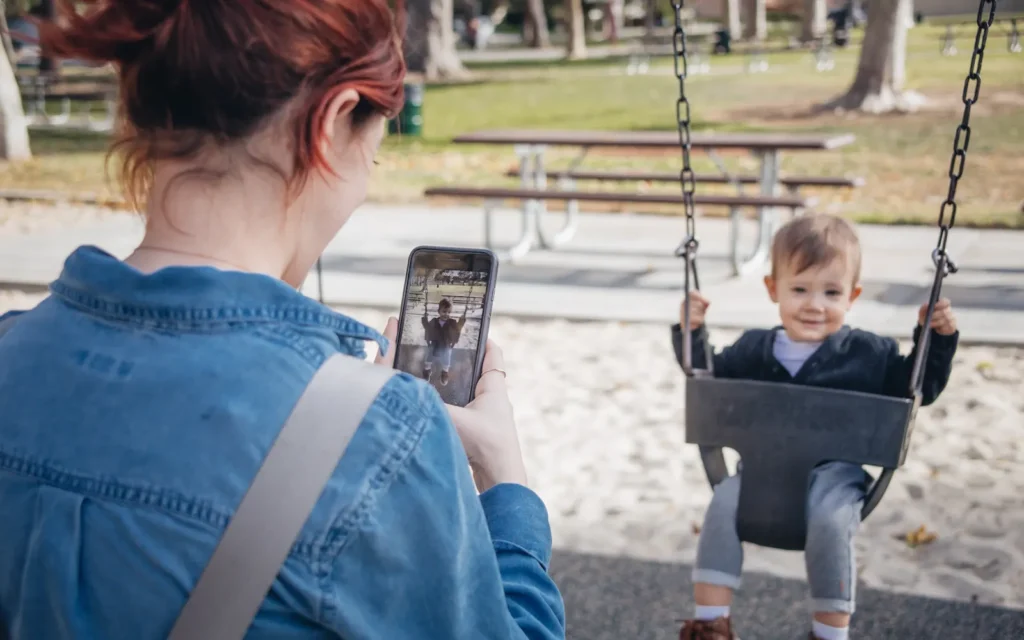
Harsha’s experience reflects a growing phenomenon known as “sharenting” – parents sharing photographs, videos and personal details about their children online, often long before those children are old enough to understand or consent.
For many families, it’s simply a way to keep loved ones updated or preserve memories. But as artificial intelligence becomes increasingly sophisticated, experts say even seemingly innocent images can be copied, manipulated and reused in ways parents never intended.
Unicef Malaysia chief of child protection Saskia Blume said most parents share photographs out of love, not realising how easily those images can spread beyond their control.
“The digital environment has changed,” she said. “Images shared online can be copied, scraped, manipulated or misused without a family’s knowledge or consent, especially as AI tools become more accessible.”
She said responsibility should not rest solely with parents, urging social media platforms to build stronger privacy protections and make children’s accounts private by default.
Permanent digital footprint
Concerns about sharenting extend beyond fake accounts. A recent study by cybersecurity company Kaspersky and the Singapore Institute of Technology found many parents worry about the digital footprint they are creating for their children.
Nearly three-quarters of respondents were concerned about strangers identifying where their family lives or where their children attend school through information shared online.
Three in four also feared photographs could be copied or misused, while almost 70% worried that posts shared today could embarrass their children years later.

According to a representative from Kaspersky Asia Pacific, advances in AI have made those concerns more pressing: “Even one publicly available photo can potentially be used by cybercriminals as source material to create realistic fake images.”
Clinical psychologist Kelly Phang said parents often post out of pride and affection, but children may eventually have very different feelings about the digital identity created for them.
As they grow older and begin forming their own sense of identity, they may feel uncomfortable knowing much of their childhood has already been documented online without their consent.
If those posts later become a source of embarrassment or cyberbullying, she said, it can also affect their self-esteem and relationship with their parents.
Sharing more safely
Experts stress that parents do not need to stop sharing family moments altogether. Instead, they recommend limiting who can see posts, regularly reviewing privacy settings and avoiding details that could identify a child’s home, school or daily routine.
Publishing fewer images, or choosing photos that do not clearly show a child’s face, can also reduce risks while allowing families to continue sharing special moments with those closest to them.
For Harsha, the lesson came at a painful cost. The digital scrapbook she once hoped her daughter would treasure no longer exists.
What remains is a reminder that, in today’s online world, a single photograph can have a much longer life than the person who posted it ever imagined.