Air quality deteriorates, Serian records hazardous reading

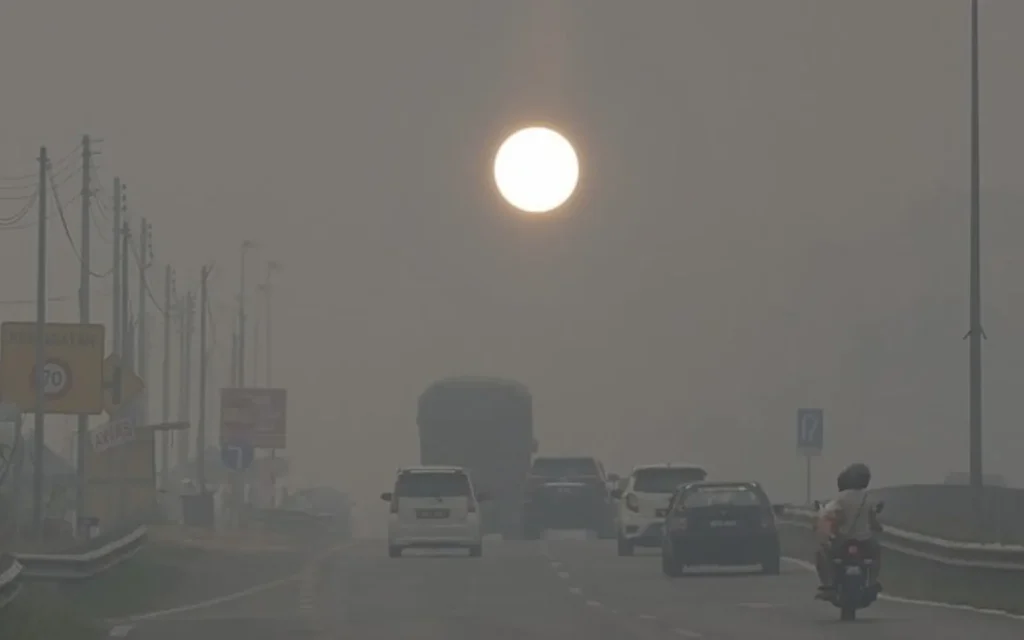

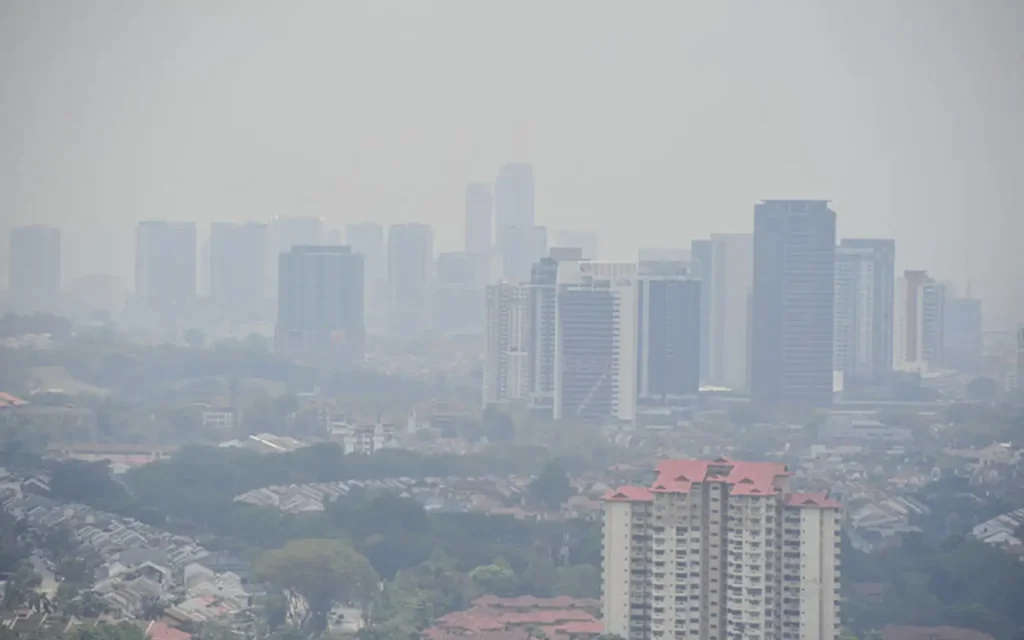
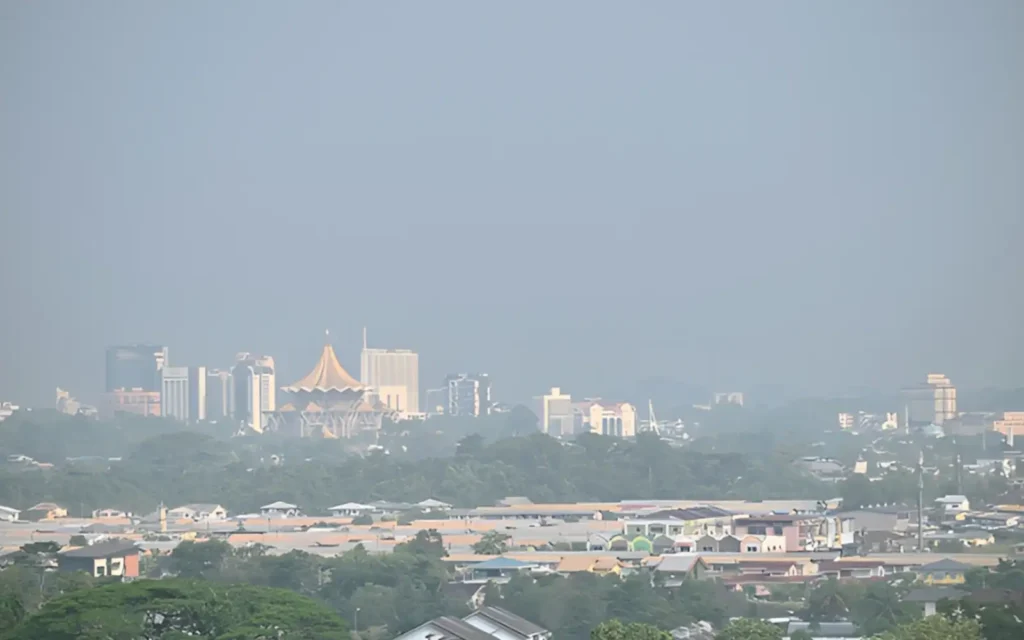
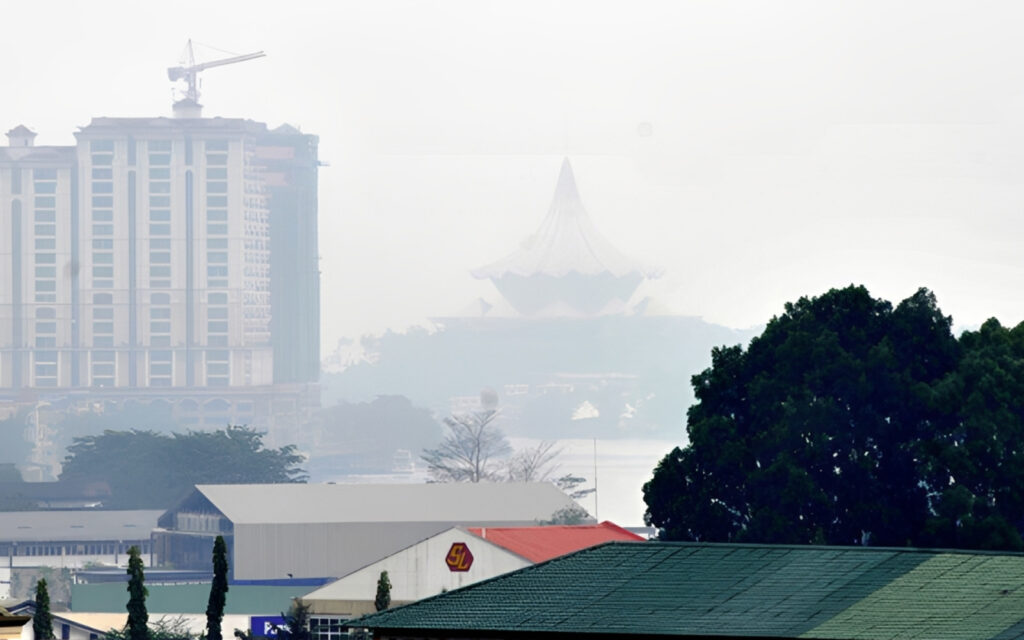
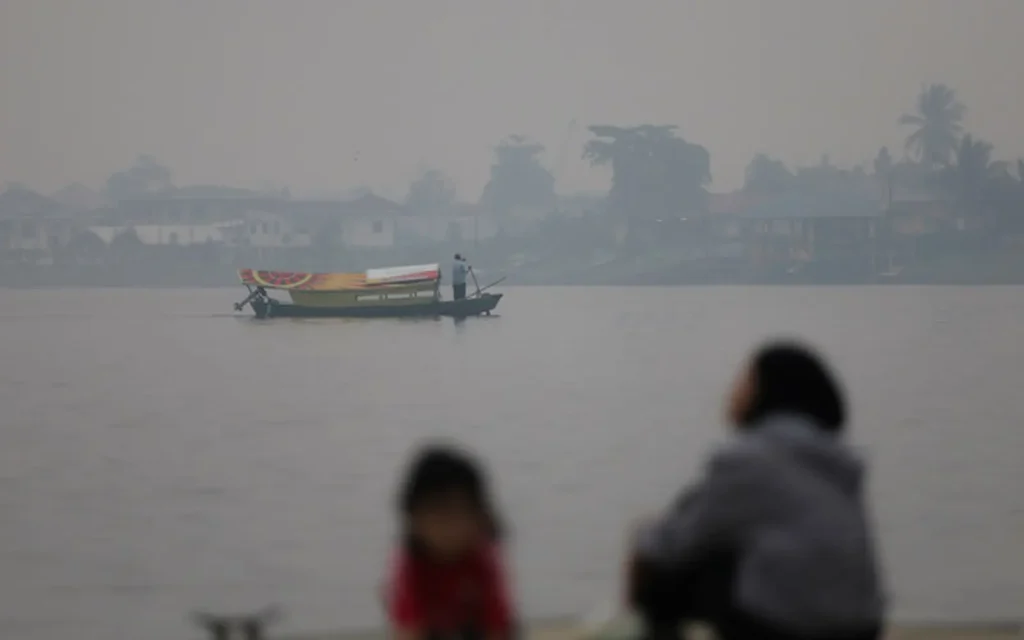
KUALA LUMPUR: Air quality continues to deteriorate, with Serian in Sarawak recording an air pollutant index (API) of 391, putting it in the hazardous category, while four other areas in the state recorded very unhealthy readings.
Environment department (DoE) deputy director-general (development) Azuri Azizah Saedon said four areas in Sarawak recorded very unhealthy air quality, with Kuching registering an API reading of 285, Sri Aman 275, Samarahan 274 and Sarikei 206.
“The country’s air quality has deteriorated today, with several areas, especially in Sarawak, Sabah and Labuan, recording API readings ranging from unhealthy to hazardous levels, influenced by haze moving in from different directions,” she said.
As of 5pm, 14 areas were classified as having unhealthy air quality while 45 were at moderate levels.
The areas in Sarawak with unhealthy air quality include Sibu which registered an API of 180, followed by Mukah (172), Bintulu (166), Samalaju (164), Kapit (157), ILP Miri (153), Limbang (151) and Miri (106).
Other areas recording unhealthy air quality included Politeknik Kota Kinabalu and Kota Kinabalu in Sabah, both with an API of 156, Kimanis (155), Keningau (154), Federal Territory of Labuan(157) and Johan Setia in Selangor (127).
Azuri said according to an Asean Specialised Meteorological Centre (ASMC) report dated Sept 2, National Oceanic and Atmospheric Administration (NOAA) 20 satellite imagery detected 795 hotspots in Kalimantan, 144 in Sumatra and three in Sarawak.
She said the ASMC regional haze map for the same date showed scattered hotspots across Kalimantan and Sumatra, while moderate to dense transboundary smoke haze covered northern Borneo and parts of the southwestern, western and central Philippines.
“Moderate to dense smoke was also observed originating from clusters of hotspots detected in several areas of Kalimantan and central and southern Sumatra.
“The Asean secretariat activated Alert Level 3 for the southern Asean region from Aug 27, following an increase in hotspot activity and the wider spread of haze,” she said.
She said the DoE would continue to monitor air quality through the national haze action plan, with the relevant agencies taking action based on the situation and its developments.